
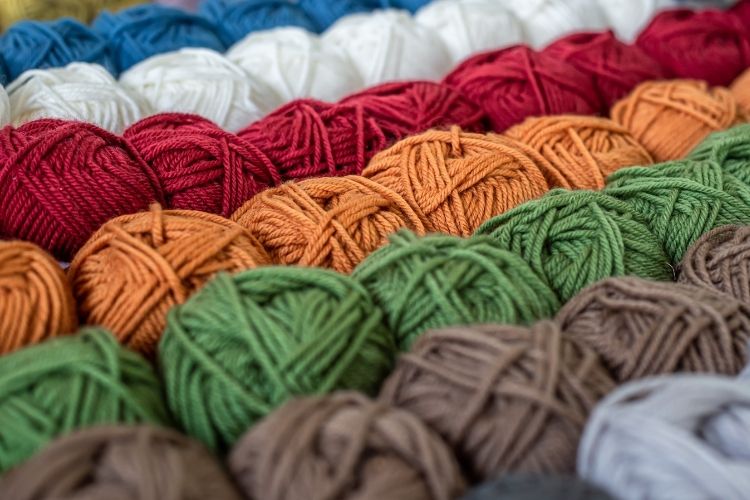

Knitting has always been a labor of love—but what if your yarn could also help heal the planet? That’s exactly the promise of recycled yarn, where creativity meets environmental responsibility. As a leading Recycled Yarn Manufacturer can tell you, this isn’t just a passing eco-trend; it’s a practical, scalable solution for greener textiles.
Why Recycled Yarn Matters More Than Ever
Textile waste is an enormous global problem. According to the U.S. Environmental Protection Agency, millions of tons of textiles end up in landfills annually, much of it avoidable. Recycled yarn helps intercept waste—turning discarded fabrics and plastics into valuable, durable threads for fashion, home decor, and industrial use.
By choosing recycled yarn, you’re not just crafting—you’re reducing landfill waste, lowering carbon footprints, and giving raw materials a second life.
Also Read: How Eco-Friendly Rayon is Reshaping the Textile Industry
The Making of Recycled Yarn
The process varies depending on the source material, but generally involves:
- Collection & Sorting: Old garments, textile scraps, or plastic bottles are gathered and separated by fiber type.
- Cleaning & Shredding: Materials are washed, then shredded into fiber form.
- Spinning: Fibers are spun into fresh yarn, ready for knitting, weaving, or crocheting.
Many Recycled Polyester Fabric Manufacturers now integrate this process directly into their operations, ensuring quality and consistency from start to finish.
Benefits Beyond the Obvious
Sure, it’s eco-friendly—but the perks of recycled yarn stretch much further:
- Cost-Effective: While premium organic yarns can be expensive, recycled yarn often delivers high quality at a more accessible price point.
- Versatile: Available in wool, cotton, polyester, and blends, recycled yarn can match almost any project needs.
- Durable & Stylish: Advances in processing mean recycled yarn is often just as strong, soft, and vibrant as virgin fiber.
Real-World Applications
From cozy sweaters to automotive upholstery, recycled yarn’s uses are surprisingly diverse:
- Fashion Brands: Increasingly adopt recycled yarn to meet sustainability pledges and appeal to eco-conscious consumers.
- Interior Decor: Rugs, throws, and cushions made from recycled fibers add style without sacrificing ethics.
- Industrial Use: Tough, recycled polyester yarn is a go-to for seat belts, ropes, and workwear.
India’s Role in Sustainable Yarn Production
With its deep textile heritage, India has become a hub for recycled yarn innovation. A high-quality Spinning Mill In Gujarat can now produce recycled yarn at scale, making it easier for global brands to integrate eco-materials into their supply chains. This isn’t just good for the planet—it’s creating new jobs and strengthening local economies.
Challenges on the Road Ahead
Despite its promise, recycled yarn faces hurdles: sorting infrastructure, consumer awareness, and consistent quality control. The good news? Demand is growing fast, pushing manufacturers to innovate and scale up responsibly.
Frequently Asked Questions
1. Is recycled yarn as strong as new yarn?
Yes, with modern processing, recycled yarn can match or even exceed the strength of virgin fibers.
2. Can I use recycled yarn for baby clothes?
Absolutely, as long as it’s certified safe and free from harmful dyes or chemicals.
3. Is recycled yarn more expensive?
Not necessarily—it can be cost-competitive or even cheaper, depending on the source material and production method.
4. Does recycled yarn limit my color choices?
Not at all. Recycled yarn comes in a wide range of colors, including vibrant and pastel tones.
Also Read: Top 5 Organic Fabrics That Are Useful for the Textile Industry
Final Thoughts
Recycled yarn isn’t just a sustainable choice—it’s a creative one. Whether you’re a hobbyist knitter or a major brand, adopting recycled fibers lets you make something beautiful while doing something good. And that’s a win worth weaving into every project.
Blog Development Credits
This blog was created by a team that worked well together and shared great ideas. The topic was chosen by Avranta Roy. Most of the writing was done using smart computer tools like ChatGPT and Google Gemini. In the end, the Digital Piloto team reviewed it to make sure it’s easy to read, fun to learn from, and simple to find online.



[…] Also Read: Turning Scraps into Style with Recycled Yarn […]