
Punjab has long been the beating heart of India’s textile industry, quietly powering everything from everyday cotton wear to premium export fabrics. But here’s the real question—how do you identify mills that truly deliver quality? With evolving standards and global demand rising, choosing the right Textile Mills in Punjab is more important than ever for businesses and buyers alike.
According to insights shared by India’s Ministry of Textiles, the textile sector contributes significantly to employment and exports, with Punjab playing a major role in yarn and fabric production. This legacy, combined with modern technology, makes the region a trusted hub for quality fabrics.
Also Read: How Eco-Friendly Rayon is Reshaping the Textile Industry
What Makes Punjab a Textile Powerhouse?
There’s something almost instinctive about Punjab’s connection with textiles. Maybe it’s the deep-rooted craftsmanship or the industrial ecosystem that supports both small-scale and large mills. Either way, the region blends tradition with efficiency in a way that’s hard to replicate.
Core strengths of Punjab’s textile industry
- Advanced spinning infrastructure: Modern machinery ensures consistent yarn quality.
- Skilled workforce: Generations of experience in weaving and processing.
- Strong export network: Easy access to global markets and logistics support.
Cities like Ludhiana, often dubbed the “Manchester of India,” have become synonymous with textile excellence, especially in hosiery and knitwear production.
Top Textile Mills Known for Quality Fabrics
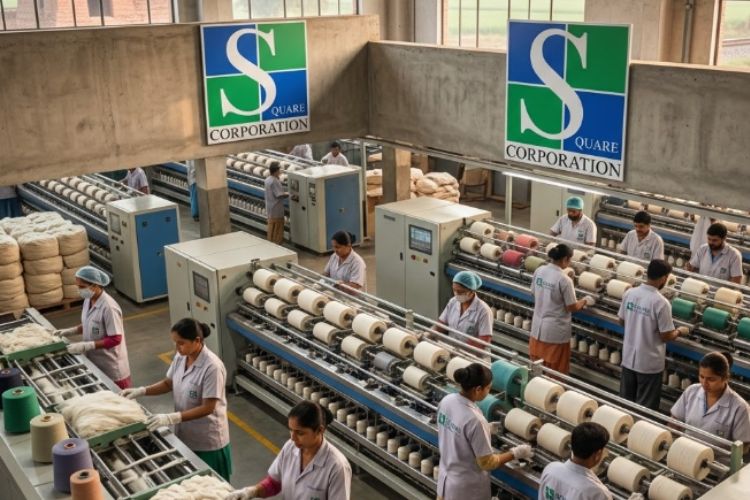
While Punjab is home to hundreds of mills, a few stand out consistently due to their commitment to quality, innovation, and sustainability. These mills aren’t just manufacturing units—they’re evolving ecosystems focused on precision and reliability.
- Vertically integrated mills: These handle everything from spinning to finishing, ensuring better quality control.
- Export-oriented units: Known for meeting international standards and certifications.
- Eco-conscious manufacturers: Increasingly adopting sustainable processes and recycled fibers.
Interestingly, many mills are now aligning with global sustainability trends, collaborating with Organic Fabric Manufacturers in India to reduce environmental impact while maintaining fabric strength and durability.
Choosing the Right Mill for Your Needs
Not all mills are built the same—and that’s where things get a bit nuanced. Whether you’re sourcing fabric for a fashion label or bulk production, your choice should depend on more than just pricing.
Key factors to evaluate
- Fabric specialization: Some mills excel in cotton, others in blended or synthetic fabrics.
- Production capacity: Can they handle your volume without compromising quality?
- Certifications: Look for ISO, OEKO-TEX, or other recognized standards.
- Customization options: Flexibility in design, dyeing, and finishing.
For example, if your focus is on breathable and premium yarns, working with a trusted Linen Yarn Manufacturer can significantly enhance your final product quality.
Emerging Trends in Punjab’s Textile Sector
The textile landscape here isn’t static—it’s evolving, and quite rapidly. Mills are investing in automation, sustainable raw materials, and digital quality control systems.
- Sustainable textiles: Growing demand for organic and recycled fabrics.
- Smart manufacturing: Use of AI and IoT for quality monitoring.
- Global collaborations: Partnerships with international brands and designers.
According to a report by The World Bank, sustainable manufacturing practices are becoming a key driver of competitiveness in global textile markets. Punjab’s mills are clearly taking note—and adapting.
FAQs – Textile Mills in Punjab
Q1. Which city in Punjab is best known for textile mills?
Ludhiana is widely recognized as the textile hub of Punjab, especially for knitwear and hosiery production.
Q2. Are Punjab textile mills suitable for export-quality fabrics?
Yes, many mills follow international standards and cater to global markets with high-quality fabrics.
Q3. Do these mills offer sustainable fabric options?
Increasingly, yes. Many manufacturers are adopting eco-friendly materials and processes to meet global demand.
Q4. How can I verify the quality of a textile mill?
Check certifications, request fabric samples, and review client testimonials before finalizing a supplier.
Also Read: Leading Handloom Fabric Manufacturers in India
Final Thoughts
Punjab’s textile mills represent a perfect blend of heritage and innovation. Whether you’re a designer, exporter, or business owner, sourcing from this region can offer both quality and reliability—if you know where to look and what to prioritize.
Blog Development Credits:
This piece was thoughtfully developed by Square Corporation, leveraging insights from advanced AI tools like ChatGPT, Gemini, and Copilot, and refined with expert SEO strategies by Square Corporation.