
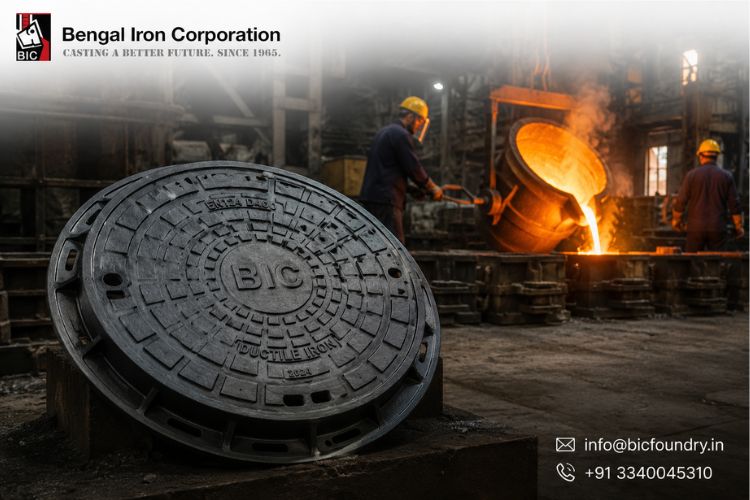

BIC understands that most people rarely think about manhole covers—until one becomes damaged, noisy, or unsafe. Yet these everyday infrastructure components quietly endure years of traffic, weather changes, and constant pressure. What allows some covers to remain dependable for decades while others fail much sooner? The answer lies in engineering, material science, and precision manufacturing.
A high-quality Cast Iron Manhole Cover is far more than a heavy metal lid. It is a carefully engineered product designed to support substantial loads, resist environmental damage, and provide reliable access to underground utility networks. Understanding the engineering behind these covers helps homeowners, property managers, and buyers make smarter infrastructure decisions.
The Remarkable Strength of Cast Iron
The foundation of a durable manhole cover begins with its material. Cast iron has been used in infrastructure for centuries because of its exceptional compressive strength and wear resistance. Unlike lighter materials that may deform under heavy loads, cast iron maintains its structural integrity even under constant stress.
According to information published by the Federal Highway Administration (FHWA), roadway infrastructure components must withstand repeated traffic loading over extended periods. This principle directly influences the design standards used for manhole covers in urban and industrial environments.
Why Engineers Continue to Choose Cast Iron
- Excellent load-bearing capacity for roads, parking areas, and industrial sites.
- Long service life with minimal structural degradation.
- Natural vibration resistance compared to many alternative materials.
- Cost-effective durability over decades of use.
In practical terms, a properly manufactured cast iron cover can remain functional long after surrounding infrastructure requires maintenance.
The Importance of Structural Design
Material strength alone is not enough. Engineers carefully design the shape, thickness, reinforcement patterns, and load distribution zones of every manhole cover.
Many modern covers feature ribbed undersides. These ribs act much like support beams in a building, spreading pressure evenly across the structure. Instead of concentrating stress in one location, the load is distributed throughout the cover and frame.
This engineering approach provides several advantages:
- Reduces the likelihood of cracking under heavy traffic.
- Improves resistance to repeated impact loads.
- Extends operational lifespan.
- Enhances overall safety.
It’s similar to how a bridge uses strategically placed supports rather than relying solely on material thickness.
Precision Casting Makes a Difference
One of the less visible but most important aspects of longevity is manufacturing precision. Advanced foundries utilize controlled casting processes to ensure consistent metal density and structural uniformity.
Small imperfections inside the metal can become weak points over time. Modern quality-control methods help minimize these risks through:
- Controlled melting temperatures.
- Carefully prepared moulds.
- Dimensional inspections.
- Load-testing procedures.
Trusted manufacturers often apply similar quality standards across related infrastructure products, including Cast Iron Pipes & Fittings, ensuring reliability throughout underground utility systems.
Protection Against Corrosion and Weather
Manhole covers operate in some of the harshest conditions imaginable. They face rainwater, road salts, pollution, moisture, temperature fluctuations, and constant vehicle movement.
Engineering teams address these challenges through specialized surface treatments and optimized alloy compositions. Properly manufactured cast iron develops a protective oxide layer that helps reduce corrosion progression.
The result is a product capable of maintaining performance through years of environmental exposure.
Common Environmental Challenges
- Heavy rainfall and flooding.
- Seasonal temperature changes.
- Chemical exposure from road runoff.
- Continuous pedestrian and vehicle traffic.
Engineering solutions are designed specifically to overcome these long-term threats.
The Evolution of Access Cover Technology
Infrastructure demands continue to grow as cities expand. Modern engineering has introduced enhanced locking systems, anti-slip surfaces, and improved load classifications.
For applications requiring additional flexibility and impact resistance, many projects now incorporate Ductile Iron Access Covers India. These products complement traditional cast iron solutions while addressing specialized infrastructure requirements.
Additional relevant innovations include:
- Heavy-duty manhole covers for highways.
- Drainage cover systems for urban stormwater networks.
- Anti-theft manhole cover designs.
These advancements demonstrate how engineering continues to improve infrastructure safety and longevity.
Als0 Read: The Hidden Engineering Behind Durable Recessed Drain Covers
Frequently Asked Questions
Q. Why do cast iron manhole covers last so long?
A. They combine high compressive strength, excellent wear resistance, and engineered structural designs that distribute loads efficiently over many years.
Q. Can cast iron manhole covers handle heavy traffic?
A. Yes. Properly designed and tested covers are specifically engineered to withstand repeated vehicle loads in roads, industrial areas, and commercial environments.
Q. Do cast iron covers rust easily?
A. While cast iron can oxidize, quality manufacturing processes and protective surface characteristics significantly improve corrosion resistance and lifespan.
Q. What should buyers look for when choosing a manhole cover?
A. Focus on load ratings, manufacturing quality, compliance with standards, corrosion resistance, and the reputation of the foundry producing the cover.
Final Thoughts
The longevity of a manhole cover is never accidental. It results from thoughtful engineering, durable materials, precise casting methods, and rigorous quality control. When these factors work together, a cast iron manhole cover becomes more than a utility component—it becomes a long-term investment in safety, reliability, and infrastructure performance.
Blog Development Credit
Insights and research support from AI technologies, including ChatGPT and Google Gemini, contributed to the development of this article. All content structuring, SEO implementation, quality assurance, and final publication were professionally managed by Bengal Iron Corporation to provide a reliable and engaging reader experience.