
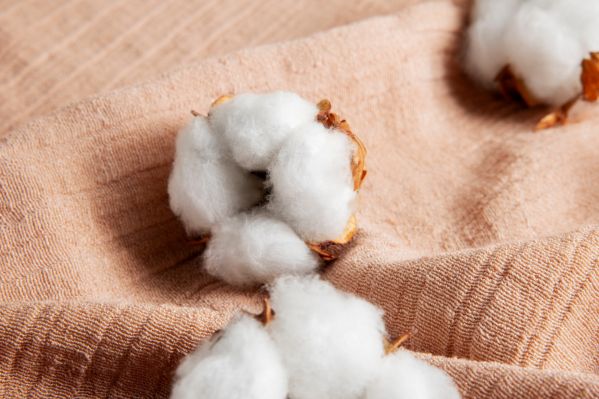

We are so much concerned about our outlook and fashion brands. We always want to choose fashionable clothing for us. We like to choose our favorite products depending on season and comfort. We like to prefer cotton for all seasons. But it is a matter of sorrow. The people are unaware of how cotton is produced and the environmental consequences that organic cotton fabric manufacturers in India face. When organic clothing comes to mind, the term that comes first is organic cotton. Most people think that cotton and organic cotton are the same, but that is not true. This blog will outline the differences between traditional cotton and organic cotton.
Traditional Cotton vs. Organic Cotton
Cotton fiber is a pure natural cellulosic fiber. It grows in a protective case around seeds on a cotton plant. It is soft, cool, known as breathable fiber and also absorbent. It can hold water 25 times its weight. It is strong, dye-absorbent, and can withstand abrasion, wear, and high temperatures.
On the other hand, organic cotton is cotton that has been grown for at least three years without the use of chemical pesticides. It has also grown without the use of defoliants or fertilizers. Natural fertilizers and fertilizing techniques are employed. The spinning mill in Punjab plays a significant role in harvesting the organic cotton.
Difference between Cotton and Organic Cotton
There are three main differences between organic and conventional cotton:
- How the cotton is grown
- How the cotton is watered
- How the cotton is produced
How is the Cotton Grown?
Cotton is grown either in dryland or irrigated. Dryland cotton requires rainwater, while irrigated cotton draws from underground water sources. Extensive irrigation depletes the soil of minerals. It requires the use of fertilizers to replenish the lost minerals.
Organic cotton is grown using sustainable practices, such as crop rotation.
Conventional cotton uses up to 25% of all the pesticides used in farming. These pesticides have been linked to various health issues (source). Instead of pesticides, organic cotton is protected from bugs by the use of other insects that kill those bugs.
Organic cotton farmers handpick their crops. It protects the cotton fibers against damage.
How the cotton is watered?
Organic cotton is mainly watered with rainwater. It saves thousands of gallons of water. It also saves the water which is used to irrigate regular cotton.
Conventional cotton uses about 1,320 gallons of water to produce one pound of cotton. This translates into requiring 713 gallons of water to produce a single cotton T-shirt (source).
There is some debate about whether organic cotton uses less water, but the fact is that 75% to 80% of organic cotton is rain-fed. Not using chemical pesticides and fertilizers on organic cotton helps protect groundwater and the rivers and lakes into which it runs (source).
How is cotton produced?
Regular cotton is typically produced using a large number of chemicals. It includes heavy metals, chlorine, and chemical dyes. These products can still contain chemical residue after washing. It can cause skin allergies.
Organic cotton, on the other hand, uses safer alternatives to chemical dyes and whiteners. These include natural or water-based dyes and peroxide for whitening. With the help of organic cotton fabric manufactures in India you can get best organic cotton.
The Conclusion
Organic cotton may require different care compared to conventional cotton. To maintain the quality and longevity of your organic cotton products, follow the care instructions carefully. The difference between organic cotton and conventional cotton is significant. The o5rganic cotton is cultivated using sustainable practices. It prioritizes ecological health and worker safety. By choosing organic cotton, you support sustainable farming practices. It reduces harmful chemical exposure and contributes to a healthier planet. As consumers become increasingly aware of these differences, the demand for organic cotton is expected to continue growing. It paves the way for a more sustainable future in the textile industry. Visit Square Corporation for organic cotton and make your business eco-friendly.



[…] Also Read: Organic Cotton vs Traditional Cotton: Key Differences […]