
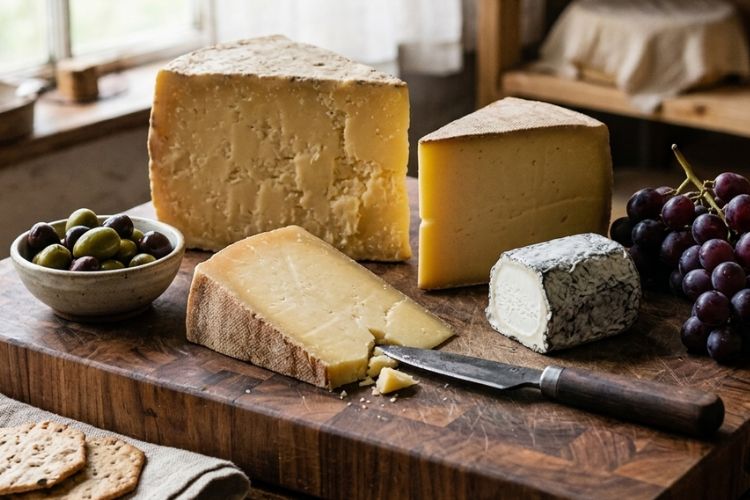

Walk into any premium grocery store today and the cheese section almost feels overwhelming. Labels scream “organic,” “farm fresh,” and “natural,” yet many products are still heavily processed behind the scenes. In 2026, buyers are becoming sharper, more ingredient-conscious, and honestly, a bit skeptical too. That’s exactly why understanding what truly natural cheese looks and tastes like matters more than ever.
For food lovers searching for authentic flavor and clean ingredients, curated selections like Gourmet Cheese Gifts Online have become increasingly popular. Consumers are no longer buying cheese only for pizza nights; they’re exploring artisan textures, regional styles, and healthier dairy alternatives with genuine curiosity.
Also Read: How Restaurants & Cafes Use Artisanal Cheese to Upgrade Their Menus
Why Buyers Are Moving Away from Processed Cheese
The modern consumer reads labels differently now. A decade ago, shelf life and convenience dominated buying decisions. Today, people care about milk sourcing, additives, preservatives, and even animal welfare practices. That shift isn’t accidental.
According to research published by the International Dairy Foods Association, consumers are actively seeking cleaner dairy labels and minimally altered food products as wellness trends continue shaping global food habits.
Processed cheese often contains emulsifiers, stabilizers, synthetic flavors, and excess sodium. Natural varieties, meanwhile, rely on simpler methods — milk, salt, cultures, and time. Sometimes that simplicity creates the best flavor. Funny enough, the older traditional approach suddenly feels modern again.
What Defines Truly Natural Cheese?
Simple Ingredient Lists
A genuinely clean cheese product should have a short, understandable ingredient list. If the label reads like a chemistry exam, it’s probably not what you’re looking for.
- Milk from trusted dairy sources
- Natural bacterial cultures
- Salt
- Traditional enzymes or rennet
That’s usually enough for authentic cheese production.
Minimal Industrial Processing
One useful trick? Observe texture variation. Mass-produced cheese tends to look perfectly uniform, almost suspiciously consistent. Artisan and farm-crafted cheese often carries tiny irregularities, natural rind variations, and evolving aromas. Those imperfections are usually a good sign.
Natural Aging Matters
Aged cheese develops complexity naturally over time rather than through flavor enhancers. Whether it’s cheddar, gouda, or brie, maturation influences depth in a way synthetic processing simply can’t replicate.
Smart Buying Tips for 2026
Buying premium cheese doesn’t mean buying the most expensive block on the shelf. It’s more about understanding quality markers.
- Check the origin story: Brands that openly discuss farm partnerships and production methods are usually more transparent overall.
- Pay attention to milk quality: Grass-fed dairy often produces richer flavor profiles and better nutritional balance.
- Look for shorter shelf life: Ironically, highly natural products spoil faster because they contain fewer preservatives.
- Avoid artificial coloring: Bright orange shades are not always naturally occurring.
Some consumers are now intentionally choosing Natural Unprocessed Cheese because it aligns better with clean eating goals, sustainable food sourcing, and authentic culinary experiences. And honestly, once your palate adjusts, heavily processed cheese can start tasting oddly flat.
Emerging Cheese Trends Buyers Should Know
Small-Batch Artisan Production
Local cheesemakers are gaining serious attention in 2026. Buyers appreciate traceability and handcrafted quality over anonymous factory production. Smaller batches also allow more flavor experimentation and regional creativity.
Functional Dairy Products
Cheese enriched naturally with probiotics and gut-friendly cultures is becoming increasingly mainstream. According to Harvard’s nutrition research, fermented dairy products may support digestive health when consumed moderately. Sustainable Packaging Interestingly, many premium cheese companies are now reducing plastic-heavy packaging. Eco-conscious consumers increasingly factor sustainability into purchasing decisions alongside flavor and quality.
Common Mistakes Buyers Still Make
- Assuming “premium” always means healthier
- Ignoring sodium levels in flavored cheese blends
- Buying oversized quantities without proper storage plans
- Choosing appearance over aroma and texture
A surprisingly common mistake is refrigeration abuse. Cheese needs stable temperatures. Frequent temperature changes quietly ruin texture and flavor, especially for softer artisan varieties.
How to Store Natural Cheese Properly
Good cheese deserves slightly better treatment than being tossed into random plastic containers. Experts generally recommend wrapping cheese in breathable paper first and then loosely covering it to maintain moisture balance. The Wisconsin Center for Dairy Research also notes that proper airflow significantly improves cheese longevity and flavor retention. And no, freezing is rarely a great idea for premium artisan cheese. It changes texture dramatically.
Frequently Asked Questions
Is natural cheese healthier than processed cheese?
In many cases, yes. Natural cheese generally contains fewer additives and less industrial processing. However, moderation still matters because cheese can remain high in fat and sodium.
How can I identify authentic artisan cheese?
Look for transparent ingredient lists, small-batch labeling, natural rinds, and information about sourcing or aging methods.
Does natural cheese spoil faster?
Usually, yes. Products without artificial preservatives often have shorter shelf lives, which is actually a sign of minimal processing.
What is the best way to serve artisan cheese?
Allow cheese to sit at room temperature for around 20–30 minutes before serving. This helps release its full aroma and flavor profile.
Also Read: Gourmet Artisan Cheese Online for Every Occasion
Final Thoughts
Buying better cheese in 2026 is less about chasing luxury and more about understanding authenticity. Clean ingredients, thoughtful sourcing, and traditional craftsmanship genuinely change both flavor and overall experience. Once you begin paying attention to those details, choosing quality cheese becomes surprisingly intuitive — and honestly, far more enjoyable too.
Blog Development Credits:
This article was thoughtfully developed by Meraki Artisan Cheese, with research support from advanced AI platforms including ChatGPT, Gemini, and Copilot, followed by refined SEO polishing and editorial enhancement by Meraki Artisan Cheese.