
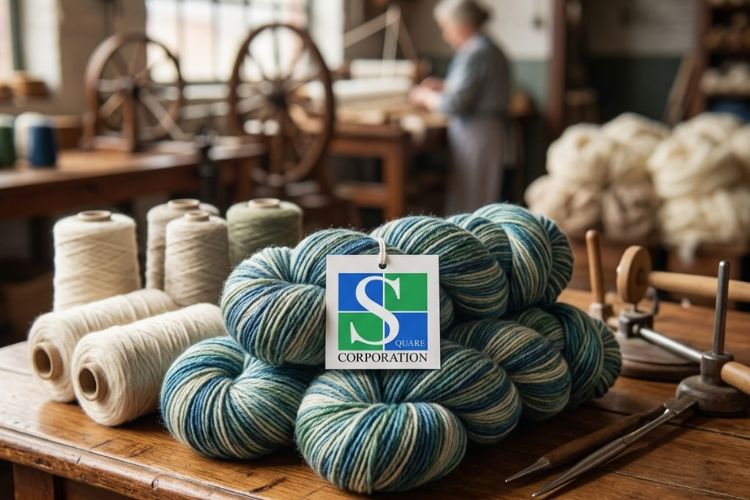

India is one of the strongest global hubs for organic cotton fabric manufacturing, thanks to its vast cotton cultivation base and growing focus on sustainable textiles. The best manufacturers are those that combine certified organic farming, ethical production, and consistent fabric quality. Many trusted sourcing networks also connect buyers with Organic cotton Yarn Suppliers in India for end-to-end textile solutions.
In this blog, we break down what makes a manufacturer reliable, how the production process works, and where businesses can source genuine partners in India’s organic textile ecosystem.
Also Read: Open-Ended Threads: Hidden Uses Across Industries
What Makes an Organic Cotton Fabric Manufacturer “Best”?
A “best” organic cotton fabric manufacturer is not defined by scale alone, but by transparency, certification, and consistency. In simple terms, it is a company that produces fabric from cotton grown without synthetic pesticides or harmful chemicals, while maintaining international quality standards like GOTS (Global Organic Textile Standard).
Definition:
Organic cotton fabric manufacturers are textile producers who source certified organic cotton and process it using environmentally responsible methods that minimize water pollution, chemical use, and carbon footprint.
Key Qualities of Reliable Manufacturers
From my experience in textile sourcing discussions, the most dependable manufacturers usually share a few non-negotiable traits. These qualities help buyers separate genuine suppliers from inconsistent ones.
- GOTS or OEKO-TEX certification ensuring verified organic compliance
- Traceable cotton sourcing from certified farms
- Low-impact dyeing processes using natural or eco-safe dyes
- Strong quality control systems for uniform fabric output
- Ethical labor practices across production units
How Organic Cotton Fabric is Manufactured (Step-by-Step)
Understanding the manufacturing process helps buyers evaluate supplier authenticity. Organic fabric production is more disciplined and controlled compared to conventional textile manufacturing.
Step-by-step process:
- Step 1: Organic farming – Cotton is grown without chemical fertilizers or pesticides.
- Step 2: Raw cotton harvesting – Cotton is handpicked to maintain fiber integrity.
- Step 3: Cleaning and ginning – Seeds are separated without chemical treatment.
- Step 4: Spinning – Fibers are converted into yarn using controlled mechanical processes.
- Step 5: Weaving or knitting – Yarn is transformed into fabric using sustainable machinery.
- Step 6: Eco-friendly dyeing – Natural or low-impact dyes are applied.
- Step 7: Finishing & inspection – Fabric is tested for quality, strength, and compliance.
Why India Leads in Organic Cotton Fabric Manufacturing
India’s dominance in organic cotton fabrics is not accidental. It comes from a combination of agricultural advantage, skilled labor, and increasing export demand for sustainable textiles. States like Gujarat, Maharashtra, and Tamil Nadu are especially active in certified cotton production.
Another major driver is global fashion brands shifting toward eco-conscious sourcing. This has pushed Indian manufacturers to upgrade processes, adopt cleaner dyeing systems, and invest in certifications.
Where Businesses Source Reliable Suppliers in India
Finding the right supplier is often more important than just finding a manufacturer. Buyers should look for integrated textile partners who can supply both yarn and fabric with verified organic standards. In this context, platforms and suppliers offering Organic Fabric Suppliers in India play a crucial role in maintaining supply chain consistency.
Many textile exporters also prefer working with vertically integrated suppliers because it reduces delays, ensures better pricing stability, and improves traceability from farm to fabric.
Applications of Organic Cotton Fabrics
Organic cotton fabric is no longer limited to niche eco-brands. Its applications are expanding rapidly across industries due to comfort and sustainability benefits.
- Fashion apparel: Shirts, dresses, babywear, and casual clothing
- Home textiles: Bedsheets, curtains, and cushion covers
- Medical textiles: Bandages and hygiene-friendly fabrics
- Corporate wear: Sustainable uniforms and workwear
Why Buyers Prefer Organic Cotton Today
One of the most important shifts in the textile market is consumer awareness. Buyers now actively ask for sustainable textiles, not just aesthetic appeal. Organic cotton offers softness, breathability, and reduced environmental impact, making it a long-term preferred choice.
Frequently Asked Questions (FAQs)
What is organic cotton fabric?
It is fabric made from cotton grown without synthetic chemicals, pesticides, or genetically modified seeds.
Are organic cotton fabrics more expensive?
Yes, slightly. The cost reflects ethical farming, certification, and sustainable processing methods.
How can I identify genuine organic fabric manufacturers in India?
Check certifications like GOTS, verify supply chain transparency, and request production samples.
Is organic cotton better than regular cotton?
Yes, it is more environmentally friendly and generally softer due to chemical-free processing.
Which industries use organic cotton fabrics the most?
Fashion, home textiles, baby products, and eco-friendly lifestyle brands.
Also Read: Top Textile Mills in Punjab for Quality Fabrics
Conclusion
Organic cotton fabric manufacturing in India is evolving rapidly, driven by global demand and sustainability goals. The best manufacturers are those who balance quality, certification, and ethical production. For buyers, the key is not just sourcing fabric, but building long-term relationships with transparent and responsible suppliers who understand sustainable textiles deeply.
Blog Development Credits:
This blog was originally conceptualized by Square Corporation, developed through structured research and AI-assisted drafting using tools like ChatGPT, Google Gemini, and Copilot, and further refined with advanced SEO optimization and editorial enhancements by Square Corporation.