
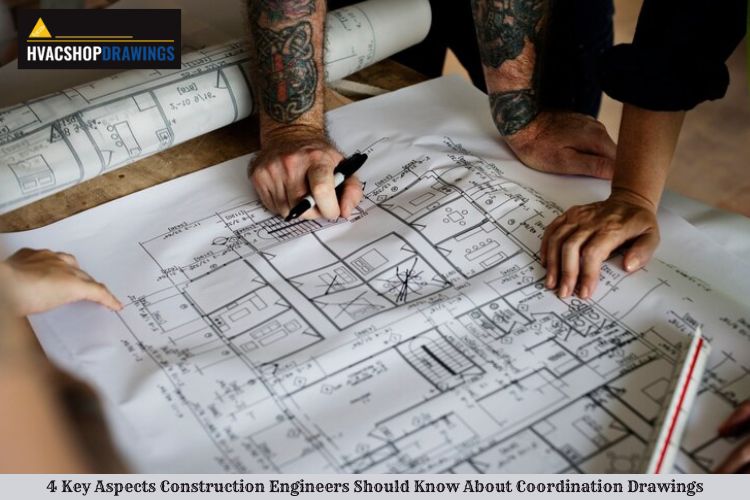

In contemporary construction, coordination drawings help avoid conflicts during construction activities. These plans encompass the integration of various elements of a project and aid in the implementation of a plan. From the outset, integrating the coordination drawings improves the progress of construction projects, the productivity of the team involved, and the success of the project as a whole.
Below is a discussion of four key factors required to be followed when working with perfect coordination drawings:
Efficient and Savings of Cost
Time and budget overruns are the most frequent problems in building activities. Coordination drawings enable more accurate project planning and execution and, therefore, attempt to avert these problems. These specialized drawings provide for the detection and solving of clashes during the design stage, eliminating the need for extensive changes, rework, or construction during later stages. These measures result in the timely completion of the project and conserving money.
Better Communication among the Working Professionals
In any construction activity, effective communication is very important. All participants in the building work, such as architects, engineers, contractors and sub-contractors, can refer to coordination drawings and walls of buildings as aides’ memoirs. This memos serve as a tool to remind all participants of the purpose, scope, and objectives of the project, thus removing chances of misunderstanding and improving working relations.
Conflict Management for Better Implementation
Coordination drawings protect against system conflicts by pinpointing clash detection in different parts of the construction. With construction conflict issues being dealt with, project teams can avoid delays and rework while smoothing workflow, enabling different trades to work together more effectively.
Representing Complex Systems with High Accuracy
Perhaps the best feature of the coordination drawings is that they are able to depict systems within the building clearly and in an orderly fashion. Coordination drawings essentially allow everyone to see how plumbing, electrical, HVAC, and mechanical systems integrate.
Also Read : 4 Must-Have Skills For A Seasoned Practitioner in Plumbing Shop Drawings!
Summing up…!
Coordination drawings are a revolution in the construction world. Their ability to merge complicated systems, avoid conflict, facilitate communication, and increase effectiveness make coordination drawings and plumbing shop drawings essential for any construction work. These drawings will become active in the construction world as technology improves, allowing construction teams to work with fewer restrictions and more freedom on how precise and collaborative they can be.