How to Choose the Right Access Cover for a Manufacturing Plant

A casting defect in an access cover may not be a big deal, but in a manufacturing plant, it can very quickly result in things like broken hinges and out-of-place frames. Precision is essential in a cast iron foundry in India, where metals are melted and cast into sand moulds, and that should definitely be a consideration when you make your decision. Cooling rate is something that foundry engineers have to consider to maintain strength, and the same should go for plant managers when evaluating weight-bearing capacity.

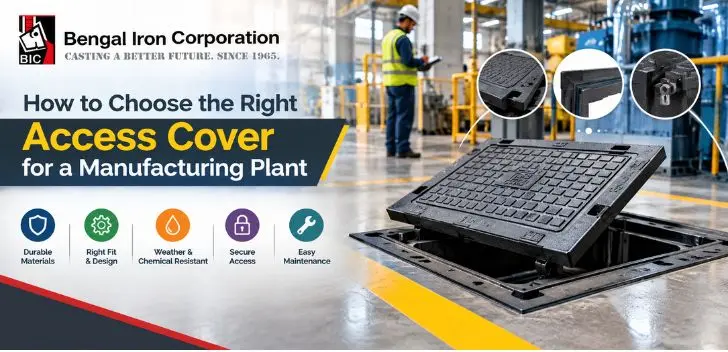
The process of choosing an ideal traffic cover starts with determining the type of traffic: use ductile iron for heavy-duty traffic because of its sturdiness, whereas other forms will suit light-duty traffic. Take into account the design of the cover, whether it is recessed or flush, bolted or hinged. Think about the sealing systems in case there are liquids and high temperatures. Get a cover which makes it easy to maintain.

Various Ways to Choose the Right Access Cover for a Manufacturing Plant

Your access hatch is the unsung hero of your plant floor, supporting tons of traffic daily while concealing important utilities. However, choosing the wrong hatch can turn it into a safety hazard.

• Understand the difference between grey iron and ductile iron.

Grey cast iron has high compressive strength but is inexpensive compared to ductile iron (otherwise known as nodular or spheroidal graphite iron) in regard to its tensile strength and shock resistance. Ductile iron is best suited for heavy traffic areas due to its high tensile strength and elongation ability. A DI manhole cover can endure an impact load which would break grey iron.

• Evaluate environmental conditions inside your plant.

Think about temperature variations, spills, humidity, and wash down procedures. Regular cast iron coverings function fine under normal weathering conditions, but if you have a plant that is using chemicals such as acids, alkalis, or salt water, choose galvanised or stainless steel coating on your covers. In a food or drug processing plant, there is a need for smooth, non-porous surfaces.

• Research local suppliers and check availability

Transporting cast iron covers, which are bulky items, over a considerable distance is an expensive venture with regard to logistics costs. Do not decide without searching for local suppliers first. All you need to do is make an Internet search using the key phrase “manhole cover near you.” This will help you find reliable local suppliers with shorter shipping times and other advantages.

• Choose the right frame and seating design.

The frame itself is just as important as the lid. Search for a deep groove cut into the material to guarantee a tight fit and no rattling when in use. The seat should be moulded to create a dust- and waterproof seal, crucial for plants that experience fine particles or any kind of runoff. Don’t settle for flat frames, which will collect dirt and become stuck.

• Consider locking and security mechanisms.

Unauthorised access to the underground utility can be risky. Covers that are fitted with tamperproof locking systems such as locking bolts, lock systems, or padlocks should be selected. Where security is an issue, it may be wise to consider covers that have some form of smart access control.

Conclusion

In picking the correct access cover, all one needs is to ensure harmony between the realities of the plant and the right quality of materials and design. One just needs to ensure that the material is durable, adaptable to the environment, and user-friendly. This should not be seen as a cost but as an investment.
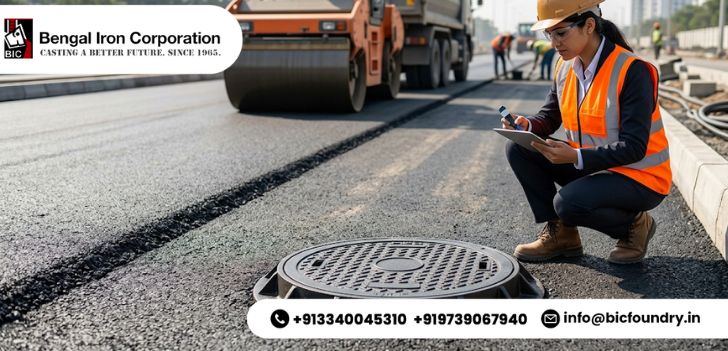
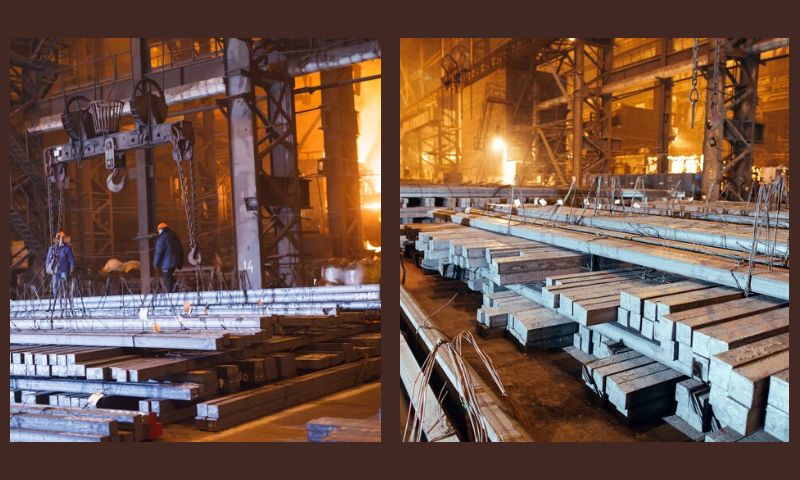
What Sets High Quality Foundries Apart in Infrastructure Projects

A safe road, efficient drainage system, and composite urban development need a strong infrastructural foundation initially. Foundries play an important role in producing durable infrastructure components that withstand extreme weather, heavy loads, and constant vehicle pressure. Due to the unique mechanical composition, the structure of all foundries is not equal.

When engineers and industrial buyers choose a Ductile Iron Foundry in India, they carefully consider factors like durability, safety, and long-term reliability. Thus, high-quality manufacturing standards and strong mechanisms define a premium-quality foundry.

Let’s dive into this blog to understand what sets high-quality foundations apart in infrastructure projects.

Parameters of High-Quality Foundations for Infrastructure Projects

In this segment, we will discuss the essential parameters of high-quality foundations that are required in infrastructure projects.

1. Precision engineering

Top-quality foundries offer robust engineering solutions for top industrial and urban projects. Trusted foundries manufacturer focuses on precise engineering at every stage of production, from mould design to final preparation. It ensures that each component fits perfectly within the specific structure and reduces installation errors.

2. Use of superior-quality raw materials

Premium-quality foundries mainly consist of high-grade iron with a controlled chemical composition. This unique mechanism ensures higher tensile strength, better load-bearing capacity, and constant resistance to wear and tear. Due to the superior quality foundries, the cast iron chamber cover price is slightly higher than that of other cast iron manhole covers.

3. Strictly follow the global standards

The sign of a premium-quality foundry is its commitment to fulfilling international quality standards. Leading foundry manufacturers always strive to meet globally recognized quality benchmarks throughout the entire production process. This global standard ensures that foundries always meet the performance expectations for every heavy infrastructure project.

4. Advanced testing methods

A top-notch quality foundry always ensures high-quality performance. From raw material inspection to final product testing, every stage is guided by professionals. Advanced testing for foundry mainly includes load testing, dimensional accuracy checks, and surface integrity inspections.

5. Real-world application

High-end foundries design products such as cast-iron manhole covers, drainage covers, and pipelines that can withstand extreme weather, heavy traffic, and corrosion. It reduces maintenance costs for municipalities and promotes long-term use of infrastructure components.

6. Top-notch safety and security

Top-notch quality foundries mainly incorporate safety design features to enhance public safety. Anti-slip surfaces, secure locking mechanisms, and stable fittings are essential safety features of a premium-quality foundry. If you are searching for a trusted supplier of a manhole cover near you, consider a ductile cast iron manhole cover, as it helps prevent accidents and ensures smooth urban operations.

Conclusion

In infrastructure projects, what lies beneath the surface shapes what happens above. The perfect combination of engineering, superior materials, and quality control features is increasing the rapid demand for high-quality foundries. If you are planning to build a future-ready infrastructure, consider partnering with Bengal Iron Corporation (BIC). We can make a difference in making your infrastructure project long-lasting with our top-grade cast iron components.

4 Considerations You Must Have When Finding The Best Global Supplier of Cast Iron

India is popular for its strong iron and steel industry. This strength makes India a prime location for sourcing gray iron products. To be very true, India is one of the largest producers and exporters of gray iron. Individuals and businesses are showing enhanced interest in reaching top gray cast iron suppliers. Yet, finding a successful and reliable gray iron exporter requires careful consideration.

If you are sure to reach the best one in India, then you must have a few considerations. Every leading gray iron exporter understands this well. Here are four premium considerations to keep in mind when selecting an exporter:

Quality Standards and Certifications

Relative to other components of casting, the quality of gray iron products is crucial. In a nutshell, it is necessary to focus on the compliance of enterprises with international quality standards. Check if the company has appropriate quality certifications, including ISO. Such credentials prove that the exporter has good quality control. It also shows its ability to deliver quality goods. Moreover, it can also be useful to ask for the samples of the ordered products to check the quality of them.

Experience and Expertise

The production and exportation of gray iron products depend highly on the experience of the firm in their operations. When it comes to an exporter firm that has been in the international market for many years, it would have gained adequate knowledge of the market needs and specifications. Such expertise enables the organization to address the needs of a client, whether in the automotive industry or construction or if the requirement is machinery parts.

Product Range and Customization

It is, therefore, imperative for a successful exporter of gray iron to have a large product portfolio that can cater to all the different industries. The exporter should have a range that begins with the basic requirements, such as pipes and fittings, to the more complex commodities. Also, flexibility in production that allows customers to get products of their choice is another strong feature. This feature is good for the procurement of particular products that have preferences from a specific supplier based on certain criteria.

Customer Support and Logistics

The other aspect that should be considered in trading with international exporters is working on communication and firm customer support. Any given source of gray iron should maintain professional and effective communication with its clients and consumers during its purchasing process. Also, it should have efficient transport channels to avoid any inconvenience in the delivery of the products that frequently affect the whole process. A proper and efficient supply chain is one of the most important factors to consider when carrying out an export business.

The Finishing Touch!

When it comes to partnering with the best Gray Iron Exporter in India, you must keep this post in mind. It can help you reach the experts at Bengal Iron Corporation (BIC) India. The company has an excellent record of accomplishment. It has been working for more than six decades now to establish itself as the best Cast Iron Foundry India. Visit the company now for instant assistance!


Direction: Click Here

The Influence Of Modern Technological Growth On Cast Iron Production Quality

The cast iron and ductile iron industry is undergoing revolutionary changes. In recent years, leading cast iron manufacturers and suppliers have shown enhanced interest in adopting new technologies. These changes are natural and sure to influence the market. Here, the contribution of top CI Casting Manufacturer is very significant. They play a leading role in this domain.

This post takes a closer look at the latest technological growth that has influenced this industry. It comes from the experts at Bengal Iron Corporation (BIC) India.

Precision with Computer-Aided Design (CAD) and Manufacturing (CAM)

CAD/ CAM has been integrated as the main technology in organizations, with the capacity to create computer-aided designs for products and manufacturing processes. These technologies help foundries make accurate mold and casting patterns and minimize the human interface, thereby improving casting quality. Despite apparent advantages, CAD and CAM technology helps cast iron producers create intricate parts to precise designs.

Automation and Robotics in Efficiency

Another major advancement is the application of automated and robotic systems in the manufacturing line. The use of automation has seen an improvement in the efficiency and productivity of the manufacturing processes while at the same time having less chance of a defect. The decision-making processes in robotics are clear since robots are precise in repetitive activities, such as pouring molten iron in the molds, thus reducing errors and improving the quality of the cast products. On the same note, it reduces interferences by enabling continuous analysis and amendment to maintain suitable conditions along the production process.

Enhanced Material Properties with Advanced Metallurgical Techniques

Sophistication in manufacturing cast iron has also enhanced its quality through the use of enhanced methods in metallurgical processing. Advancements in technologies like controlled cooling and heat treatment processes have made it possible for foundries to produce cast iron products with enhanced mechanical characteristics. These techniques may increase the material’s strength, hardness, and/or wear and corrosion resistance so that the material may be useful for more applications.

New Possibilities with Advanced Alloys

Furthermore, the development of new cast iron alloys has been realized due to improvements in material science. For instance, newer forms of cast iron, such as ductile iron and compacted graphite iron, have made cast iron find its application in places where strong ductile material is needed.

The Closing Thought!

Bengal Iron Corporation (BIC India) is a leading cast iron Manhole Cover Manufacturer India. With over six decades of extensive service experience, the company has contributed much to its clients from India and abroad. The company has seen and experienced the increasing impact of better and more powerful technologies that have entered the industry in the last few years.


Direction: Click Here

7 Questions You Can Ask An Exporter of Gray Iron In The USA

If you’re in the market for gray iron products, finding the right exporter is crucial. But with so many options out there, how do you know which one is the best fit for your needs? Partnering with a top gray iron exporter can ease your task. You should do well to put extra effort into reaching the best service provider.

Here are seven questions to help you identify the best gray iron exporter in the USA! You can seek answers from leading gray iron exporters available there. Here is a list of common questions and answers you must ask top exporters!

Question: What Types of Gray Iron Products Do You Offer?

Answer: Start by understanding the range of products the exporter provides. Are they specialists in manhole covers, or do they offer a broader spectrum of gray iron products? Knowing this ensures that you’re dealing with experts in the specific area you’re interested in.

Question: Can You Provide Customization Options?

Answer: Every project is unique! You have the option for customized gray iron products, which can be a game-changer. Ask the exporter if they offer customization services. These services may include sizes, shapes, or even branding options.

Question: What Standards and Certifications Do You Follow?

Answer: Quality matters, especially when it comes to gray iron products. Inquire about the standards and certifications the exporter adheres to. Reputable exporters should meet industry standards, ensuring their products are durable, corrosion-resistant, and meet safety regulations.

Question: How Do You Ensure Quality Control in Your Manufacturing Process?

Answer: Understanding the exporter’s quality control measures is vital. A reliable exporter will perform quality checks in place throughout the manufacturing process. This guarantees that the gray iron products you receive meet the highest standards.

Question: What is Your Production Capacity and Lead Time?

Answer: Know the exporter’s production capabilities and the time it takes to fulfill an order. This is crucial for project planning. Reliable exporters with enough production capacity and efficient processes can provide timely deliveries.

Question: Can You Share Customer References or Case Studies?

Answer: A proven track record is a good indicator of a reliable exporter. Ask for references or case studies from previous clients who have similar needs. Positive feedback and successful projects show the exporter’s commitment to customer satisfaction.

Question: What is Your Shipping and Delivery Process?

Answer: Understand the exporter’s logistics and shipping procedures. This includes information on packaging, shipping methods, and delivery timelines. Clear communication ensures a smooth and hassle-free experience from order to delivery.

The Bottom Line:

Asking these seven questions will help you navigate the process of selecting the best gray iron exporter and cast iron foundry India. By focusing on product range, customization options, quality standards, production capacity, customer references, and shipping procedures, you can make an informed decision and ensure a successful partnership with a reliable exporter. You must do well to communicate with the experts at Bengal Iron Corporation (BIC INDIA). The company has a decent track record of serving its clients with top-class products.


Direction: Click Here

Pattern Making Process

Development of patterns is the first step in the casting process. Patterns can be re-used to make more moulds and, if looked after, can last for many years making thousands of moulds.

For producing a mould or impression of desired shape in moulding sand, one needs to have a wooden or metallic pattern similar to the shape of the mould. The art and science of designing the pattern is called pattern making.

Common Metals that are used for creating patterns are –

  • Wood
  • Metal
  • Plaster
  • Plastic

Types of Pattern-Making Process

The type of patterns selected for a particular casting depends upon many factors such as type of moulding process, number and size of casting difficulty of moulding on account of design or typical shape of casting. The most common types of pattern are listed and described below:
(a) Solid or Single Piece Pattern
(b) Split Pattern
(c) Gated Pattern
(d) Sweep/Skeleton Pattern
(e) Match Plate Pattern

(a) Solid or Single Piece Pattern

The one piece or single pattern is the most inexpensive of all types of patterns. This type of pattern is used only in cases where the job is very simple and does not create any withdrawal problems. It is also used for application in very small-scale production or in prototype development. This type of pattern is expected to be entirely in the drag and one of the surface is is expected to be flat which is used as the parting plane. A gating system is made in the mold by cutting sand with the help of sand tools.

(b) Split Pattern

Split or two piece pattern is most widely used type of pattern for intricate castings. It is split along the parting surface, the position of which is determined by the shape of the casting. One half of the pattern is molded in drag and the other half in cope. The two halves of the pattern must be aligned properly by making use of the dowel pins, which are fitted, to the cope half of the pattern. These dowel pins match with the precisely made holes in the drag half of the pattern.

(c) Gated Pattern

Gated patterns are a group of patterns in which multiple castings are connected through a common gating system. In this type, runners and gates are integrated directly into the pattern, allowing molten metal to flow into several mould cavities simultaneously. This method increases production efficiency and reduces moulding time, making it highly suitable for mass production. Gated patterns are commonly used when producing small components in large quantities.

(d) Sweep/Skeleton Pattern

Sweep and skeleton patterns are used for producing large and symmetrical castings, where making a full solid pattern would be expensive and impractical.

A sweep pattern consists of a template (usually wooden) that is rotated around a central axis to generate the desired mould shape in sand. It is commonly used for circular or cylindrical shapes like pipes and tanks.

A skeleton pattern, on the other hand, is a framework that outlines the shape of the casting. The mould is formed by filling sand around the framework and finishing it manually. These patterns are economical and suitable for large castings produced in small quantities.

(e) Match Plate Pattern

Match plate patterns are used for high production work and are ideal for machine moulding processes. In this type, both halves of the split pattern are mounted on opposite sides of a single plate (called the match plate). The gating system, including runners and gates, is also attached to the plate.

This arrangement ensures accurate alignment of the cope and drag sections, reduces moulding time, and improves productivity. Match plate patterns are widely used in automated foundries for producing large numbers of identical castings with high precision.

Enquire Now

Get In Touch
×
Best Cast Iron Supplier Top Ductile Iron Manufacturer