
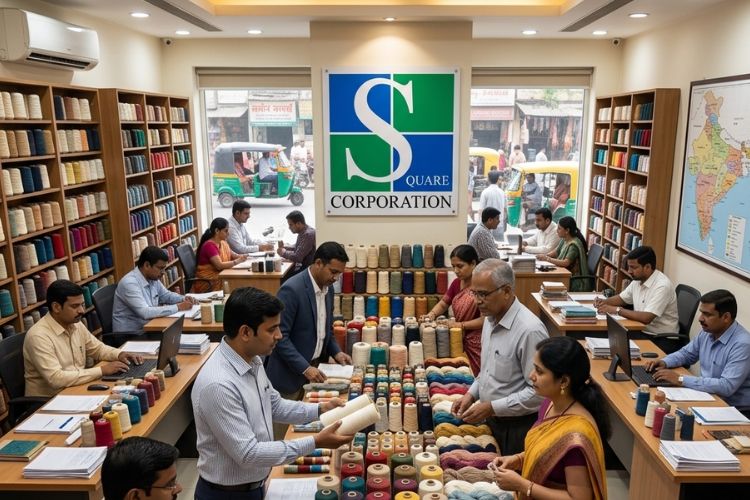

The textile industry moves fast. One delayed shipment, inconsistent yarn quality, or communication gap can disrupt an entire production schedule. That’s why choosing the right sourcing partner matters more than ever. For textile businesses looking to scale efficiently, experienced yarn agents often become the bridge between manufacturers, exporters, and buyers.
Among the many sourcing channels available today, Yarn Agents in India continue to play a critical role in connecting textile companies with dependable mills, competitive pricing, and consistent supply chains. Their market knowledge often helps businesses avoid costly sourcing mistakes while improving procurement efficiency.
Also Read: Meeting Export Market Demands with Eco-Friendly Cotton Textiles
Why Yarn Agents Matter in Modern Textile Supply Chains
A yarn agent does far more than introduce buyers and sellers. The best professionals understand market trends, fiber availability, quality parameters, logistics, and pricing fluctuations. In many cases, they act as strategic advisors rather than simple intermediaries.
India remains one of the world’s largest textile producers and exporters. According to the India Brand Equity Foundation (IBEF), the textile and apparel industry contributes significantly to India’s economy and employment generation. This vast ecosystem creates enormous opportunities, but it also makes supplier selection more complex.
Qualities of Top Yarn Agents in India
Not all sourcing partners deliver the same value. The most respected yarn procurement specialists generally share several important traits:
- Strong relationships with spinning mills across multiple regions.
- Deep understanding of cotton, polyester, blended, and specialty yarns.
- Transparent communication regarding pricing and lead times.
- Reliable quality verification processes.
- Efficient coordination of logistics and documentation.
Think of a skilled yarn agent as a seasoned navigator. While anyone can read a map, an experienced navigator knows which route avoids hidden obstacles and reaches the destination faster.
Key Benefits for Textile Businesses
1. Access to Multiple Suppliers
Instead of negotiating with numerous mills individually, textile companies can leverage an agent’s established network. This reduces sourcing time and expands procurement options.
2. Better Market Intelligence
Yarn prices often fluctuate due to cotton production, global demand, energy costs, and export policies. Experienced textile sourcing experts help businesses anticipate changes before they affect profitability.
3. Quality Consistency
Maintaining uniform yarn quality is essential for fabric performance. Reputable agents frequently conduct supplier evaluations and quality checks before shipments are finalized.
4. Reduced Operational Burden
Documentation, supplier coordination, shipment tracking, and dispute resolution can consume valuable time. Agents streamline these tasks, allowing businesses to focus on production and sales.
Emerging Trends Shaping Yarn Procurement
Sustainability is rapidly becoming a major purchasing factor. Many textile brands now prioritize eco-friendly raw materials and traceable supply chains. As a result, sourcing professionals increasingly work with certified mills connected to Organic Cotton Farms and environmentally responsible manufacturers.
Another noticeable shift is the growing demand for recycled fibers and sustainable fabrics. Businesses seeking greener production models often collaborate with trusted Organic Fabric Suppliers in India to diversify their sourcing strategies.
How to Evaluate a Yarn Agent Before Partnering
Before making a long-term commitment, textile businesses should conduct a structured evaluation process.
- Request references from existing clients.
- Verify experience with your specific yarn category.
- Assess communication responsiveness.
- Review supplier networks and mill partnerships.
- Understand quality control procedures.
- Discuss pricing transparency and service expectations.
A small amount of due diligence at the beginning can prevent significant sourcing issues later.
Industries That Benefit Most from Yarn Agents
While virtually every textile segment can benefit from professional sourcing support, some sectors rely on it more heavily:
- Garment manufacturing companies.
- Home textile producers.
- Technical textile manufacturers.
- Export-oriented textile businesses.
- Fashion brands seeking specialized yarns.
These businesses often require consistent quality, dependable deliveries, and flexible procurement options—all areas where experienced yarn supply chain professionals provide meaningful value.
Frequently Asked Questions
What do yarn agents do?
Yarn agents connect buyers with suitable manufacturers, assist in negotiations, monitor quality standards, and help manage logistics and documentation throughout the sourcing process.
Why are yarn agents important for textile companies?
They simplify procurement, reduce sourcing risks, provide market insights, and help businesses access reliable suppliers more efficiently.
Can yarn agents help with sustainable sourcing?
Yes. Many experienced agents work with certified suppliers offering organic cotton, recycled fibers, and environmentally responsible textile materials.
How can I identify a trustworthy yarn agent?
Look for industry experience, verified client references, transparent communication, supplier diversity, and a proven track record of delivering consistent results.
Also Read: Best Organic Cotton Fabric Manufacturers in India
Final Thoughts
The right yarn sourcing partner can become a significant competitive advantage for textile businesses. Beyond simply facilitating transactions, top yarn agents contribute expertise, market intelligence, and operational efficiency. As the textile industry continues evolving, companies that build strong sourcing relationships will be better positioned to maintain quality, manage costs, and support long-term growth.
Blog Development Credits:
This article was developed with strategic guidance from Square Corporation. Research, drafting, and content refinement involved advanced AI technologies including ChatGPT, Gemini, and Copilot, followed by detailed SEO review and optimization by Square Corporation.