

Perolini Luxe Tiles understands a truth many property owners learn the hard way: flooring decisions don’t just affect how a space looks—they shape how it performs, ages, and feels to the people who use it daily. In modern homes and commercial interiors, ceramic floor tiles have quietly become the most practical luxury you can install. But what makes them such a reliable choice for today’s fast-moving, design-conscious world?
Whether you manage properties, design interiors, or sell building materials, one thing is certain—floor tiles are no longer a background decision. They influence foot traffic durability, energy use, and even resale value. Ceramic, in particular, strikes a rare balance between business logic and aesthetic appeal.
Designed for the Real World, Not Just Showrooms
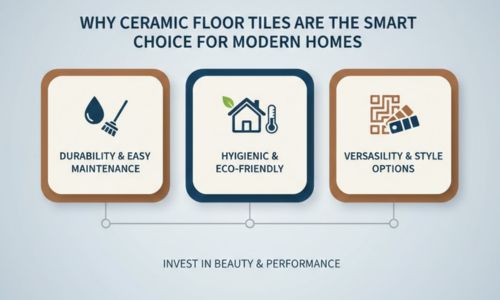
Modern homes aren’t delicate spaces. They host family life, business meetings, pets, deliveries, and sometimes chaos. Ceramic floor tiles thrive in this environment because they are fired at high temperatures, giving them a dense, hard surface that resists everyday wear.
According to reinterpreted durability insights from EPA.gov, long-lasting building materials reduce replacement cycles and waste, lowering lifetime environmental impact. Ceramic tiles, with lifespans often exceeding 20 years, fit this model neatly.
Why professionals trust ceramic:
- They don’t warp with heat or moisture.
- They handle high foot traffic without losing finish.
- They age slowly—like good architecture should.
For business owners, that translates into fewer renovations and more predictable maintenance budgets.
Style Flexibility Without Fragility
Once upon a time, ceramic meant basic white squares. Today, it imitates stone, wood, concrete, and even fabric textures. Designers now use ceramic to “fake” premium surfaces without inheriting their weaknesses.
For example, wood-look ceramic gives you the warmth of timber without worrying about termites or water stains. Concrete-look ceramic delivers industrial charm without dusting or cracking. This versatility makes ceramic a core player in modern floor tiles and durable flooring strategies.
Business impact of visual consistency:
- Uniform flooring across branches improves brand identity.
- Neutral designs adapt easily to changing décor trends.
- Clients perceive ceramic as premium yet practical.
In short, it supports long-term brand presentation without locking you into a single design era.
Low Maintenance, High Payoff
If flooring had a personality type, ceramic would be “low drama.” It doesn’t demand special cleaners or seasonal treatments. Regular sweeping and mild mopping usually do the trick.
Reworded findings from WholeBuildingDesignGuide.org emphasize that low-maintenance surfaces reduce operational costs in commercial and residential buildings alike. Ceramic aligns with this by resisting stains, odors, and bacteria absorption.
From an operational standpoint:
- No sealing required (unlike marble or granite).
- No polishing schedules.
- No panic when coffee spills.
This makes ceramic especially attractive for kitchens, lobbies, rental units, and office corridors.
Climate-Smart and Energy-Friendly
Ceramic tiles naturally stay cool, which matters more than people realize—especially in warm climates. Cooler floors reduce indoor heat retention and lessen the load on air conditioning systems.
Reinterpreted data from Energy.gov suggests that reflective, non-heat-absorbing surfaces contribute to improved indoor thermal comfort. Ceramic performs well here, making it suitable for modern eco-aware construction.
For B2B decision-makers, this adds another talking point: ceramic isn’t just durable—it’s operationally efficient.
Market Relevance in the Middle East
In regions where heat, sand, and humidity challenge materials daily, ceramic becomes more than a design option—it becomes a survival tool. This is why ceramic tiles dubai remains one of the most searched and demanded building categories.
Builders, retailers, and hospitality operators prefer ceramic because it resists fading, cleans easily, and complements both luxury and minimal interiors. It’s one of the few materials that works equally well in a penthouse and a café kitchen.
FAQs
Are ceramic floor tiles suitable for heavy commercial use?
Yes. High-quality ceramic tiles are engineered for high foot traffic, making them ideal for retail stores, offices, and hospitality spaces.
Do ceramic tiles crack easily?
Properly installed ceramic tiles are highly impact-resistant. Most cracking issues come from poor subfloor preparation, not the tile itself.
Are ceramic tiles eco-friendly?
They are made from natural clay and minerals and have long lifespans, which reduces replacement waste compared to short-life flooring options.
Can ceramic tiles work in luxury interiors?
Absolutely. Modern ceramic designs replicate marble, wood, and stone textures with remarkable realism.
Final Thoughts
Ceramic floor tiles succeed because they respect reality. They handle traffic, heat, spills, and style shifts without complaint. For business owners and property professionals, that means fewer surprises and stronger long-term value. In a market that rewards durability disguised as beauty, ceramic doesn’t just fit modern homes—it quietly defines them.