
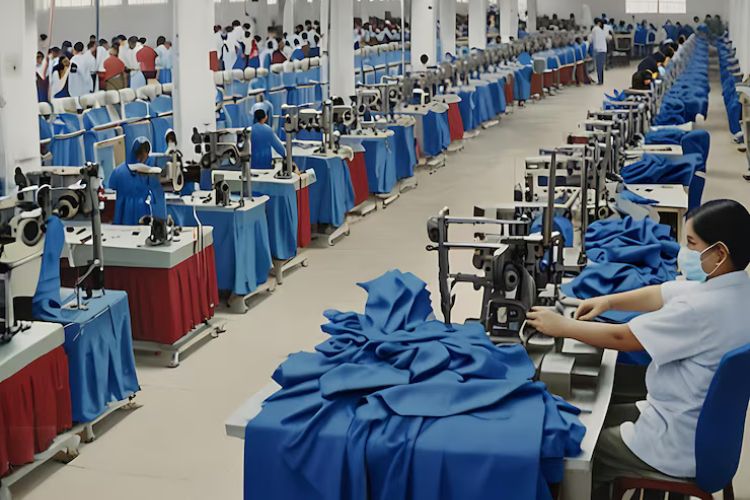

Have you ever wondered why jerseys worn by teams in Europe, the Middle East, or even grassroots clubs in Africa are increasingly made in India? It’s not accidental. Over the past decade, India has quietly transformed itself into a global hub for sportswear production—combining scale, skill, and speed in a way few countries can match.
Today, Jersey Manufacturers In India are supplying everyone from amateur leagues to international brands. The reason isn’t just cost. It’s a deeper mix of manufacturing maturity, design intelligence, and adaptability to global demand.
Also Read: Why Choosing the Right Jersey Wholesaler Matters Today
A Manufacturing Ecosystem Built for Scale
India’s advantage starts with its manufacturing backbone. The country has one of the world’s largest textile and apparel ecosystems, spanning yarn production, fabric processing, dyeing, printing, and garmenting—all within close proximity. This reduces dependency on imports and shortens production timelines.
According to data shared by India’s Ministry of Textiles (texmin.nic.in), the textile and apparel sector contributes significantly to industrial output and employment. That scale matters. When global brands need 10,000 jerseys in four colorways—fast—Indian manufacturers can respond without blinking.
Speed Without Compromising Quality
What’s interesting is how speed and quality now coexist. A decade ago, faster often meant rougher. That’s no longer the case. Modern jersey factories in India use automated cutting machines, digital sublimation printing, and strict quality checkpoints that rival facilities in Europe.
- Digitized pattern-making reduces fabric waste
- In-house testing ensures colorfastness and stretch recovery
- Lean production methods cut turnaround times
Customization Is the New Currency
Global sportswear demand has shifted. Teams no longer want generic templates; they want identity. This is where India shines. Many buyers now choose an Indian Custom Sportswear Manufacturer because customization is baked into the process, not treated as an add-on.
From club logos and player names to fabric GSM and ventilation zones, customization has become modular. Manufacturers can tweak designs without disrupting the production flow—a skill developed through years of private-label manufacturing.
Design Literacy Meets Technical Know-How
Indian manufacturers are no longer just “order takers.” Many now employ in-house designers who understand global sports aesthetics—whether it’s minimalist European football kits or bold American-style training wear. This design literacy, paired with technical execution, creates a rare balance.
Cost Efficiency That Goes Beyond Cheap Labor
It’s easy to assume India leads because it’s cheaper. That’s only half the story. While labor costs are competitive, the real savings come from operational efficiency and material sourcing.
A report by McKinsey & Company (mckinsey.com) notes that vertically integrated supply chains significantly reduce hidden costs like delays, rework, and logistics overruns. Indian sportswear factories increasingly follow this model.
- Local fabric sourcing minimizes shipping delays
- Bulk dyeing reduces per-unit cost
- Experienced labor lowers defect rates
Beyond Jerseys: Expanding Product Capabilities
Another reason India is leading is diversification. Jersey production often sits alongside related categories—training wear, tracksuits, fan merchandise, and casual sports apparel. Many facilities that started with team jerseys now also operate as trusted T Shirt Printing Manufacturers, serving both sports and lifestyle markets.
This crossover capability allows buyers to consolidate vendors, streamline branding, and maintain consistency across product lines.
Compliance, Ethics, and Global Trust
Global buyers today care deeply about how products are made. Indian manufacturers have responded by adopting international compliance standards—ISO certifications, ethical labor audits, and environmentally conscious dyeing processes.
Organizations like the World Trade Organization (wto.org) consistently highlight India’s growing role in compliant global trade. Trust, once fragile, is now a competitive advantage.
Frequently Asked Questions
Why do global brands choose jersey manufacturers in India?
Brands choose India for its balance of quality, customization, speed, and cost efficiency, supported by a mature textile ecosystem.
Are Indian sportswear manufacturers suitable for small orders?
Yes. Many manufacturers now offer low minimum order quantities, especially for clubs, academies, and startups.
How is quality controlled in Indian jersey production?
Quality checks are integrated at multiple stages—fabric testing, print inspection, stitching audits, and final measurements.
Can Indian manufacturers handle international shipping?
Most export-focused factories have dedicated logistics teams and experience shipping to Europe, the Middle East, Africa, and the Americas.
Final Thoughts
India’s leadership in the global sportswear market didn’t happen overnight. It’s the result of years of learning, adapting, and quietly improving. As customization, speed, and ethical production become non-negotiable worldwide, Indian jersey manufacturers are no longer catching up—they’re setting the pace.
Blog Development Credits:
This blog reflects a blend of creativity and expertise. The original concept was envisioned by RIGID Clothing, ensuring it aligns with the brand’s vision and values, using advanced AI tools like ChatGPT and Google Gemini .