

What Is Car Decarbonization?
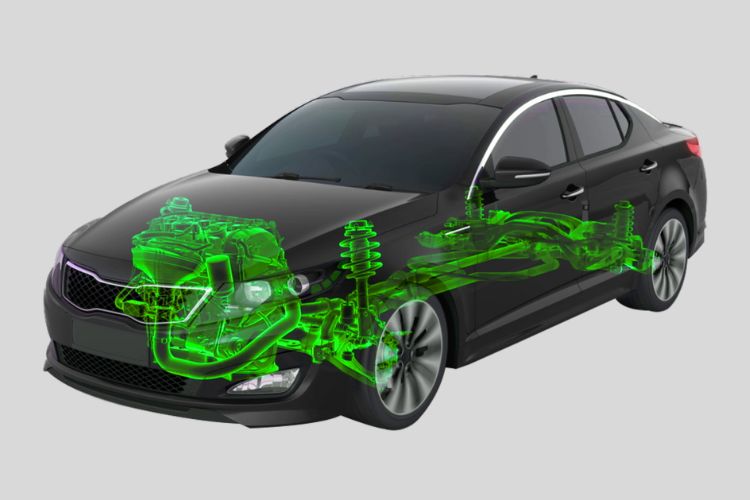
Car decarbonization refers to the process of reducing carbon deposits inside a vehicle’s engine and minimizing carbon emissions released into the atmosphere. Over time, carbon builds up in engine components like the intake valve, combustion chamber, and exhaust, leading to poor performance, increased fuel consumption, and higher emissions.
By removing these deposits through professional cleaning or using decarbonization additives, vehicles can regain efficiency and reduce their environmental impact. On a broader level, decarbonization also refers to the shift toward cleaner fuels, electric vehicles, and sustainable mobility practices.
Why Is Car Decarbonization Important?
With growing concerns over climate change and air pollution, decarbonizing cars has become essential. Traditional internal combustion engines contribute significantly to global CO₂ emissions. Regular engine decarbonization helps:
- Improve fuel economy
- Restore engine performance
- Reduce harmful emissions
- Extend engine life
In urban areas with heavy traffic, decarbonization can help maintain air quality and reduce the carbon footprint of daily commuting.
Understanding Engine Decarbonization Cost
One common concern for vehicle owners is the engine decarbonization cost. The price can vary depending on the method used and the vehicle type. On average:
- Manual cleaning methods can cost between ₹1,000 to ₹3,000 in India.
- Advanced hydrogen or chemical cleaning systems may cost ₹3,000 to ₹8,000.
Though it may seem like an added expense, regular decarbonization can save money in the long run by improving fuel efficiency and preventing costly engine damage.
Impact on the Auto Industry
Car decarbonization is reshaping the global auto industry. Manufacturers are now investing in cleaner engines, hybrid vehicles, and EVs to meet regulatory targets and customer demand for greener options. Government policies and incentives for low-emission vehicles are accelerating this shift.
Moreover, service centers are increasingly offering decarbonization as part of preventive maintenance, reflecting its growing importance in vehicle care.
Conclusion
Car decarbonization is not just a maintenance task—it’s a critical step toward cleaner, more sustainable driving. Whether through engine cleaning or adopting low-emission technologies, it plays a key role in reducing environmental impact while improving vehicle performance. As the world moves toward greener transportation, decarbonization will continue to drive change across the automotive landscape.



[…] Also Read: Car Decarbonization: Benefits, Cost & Industry Impact […]